Cleaning is supposed to protect and maintain surfaces, not damage them. Yet many people rely on methods that seem effective in the short term but quietly cause long-term problems. Scratches, fading, corrosion, and structural wear often come from the way something was cleaned rather than from normal use.
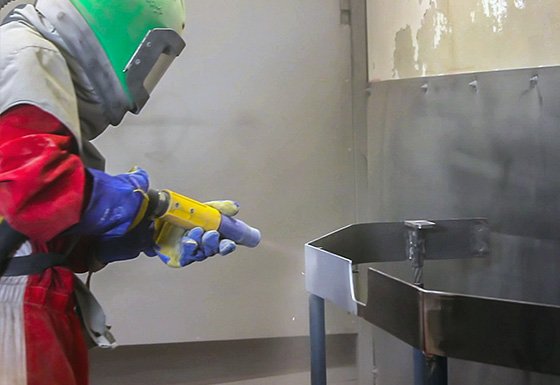
The issue is not a lack of effort. Most damage happens because the wrong method is applied to the wrong surface. For example, aggressive techniques or poorly controlled environments, such as an improperly used blast chamber, can strip away more than just dirt and leave materials weakened or uneven.
Understanding how and why this happens makes it much easier to avoid costly mistakes and keep surfaces in better condition for longer.
Why cleaning methods go wrong
Using too much force
One of the most common mistakes is assuming that stronger cleaning delivers better results. High pressure, harsh scrubbing, or abrasive materials can remove stains quickly, but they can also damage the surface underneath.
Over time, repeated exposure to these methods wears down protective layers and reduces durability.
Choosing the wrong products
Not all cleaning products are suitable for every material. Chemicals that work well on one surface can cause discolouration, corrosion, or weakening on another.
Without checking compatibility, it is easy to create damage that is difficult to reverse.
The hidden risks of harsh techniques
Surface erosion
Aggressive cleaning methods can slowly erode surfaces. This is especially common with stone, timber, and softer metals.
The damage might not be obvious immediately, but it becomes visible as the surface loses its texture and strength.
Reduced lifespan
When protective coatings are removed or weakened, surfaces become more vulnerable to wear. This shortens their lifespan and increases the need for repairs or replacement.
What starts as a quick fix can lead to higher long-term costs.
When powerful methods are appropriate
Controlled environments
Some cleaning techniques are highly effective when used correctly. The key difference is control. In a controlled setting, the process can be adjusted to suit the material and minimise damage.
Professional environments are designed to manage variables like pressure, material type, and exposure time.
Experienced handling
Specialised methods require experience. Knowing how to apply the right level of force and when to stop is critical.
Without that knowledge, even the best tools can cause harm.
Common cleaning mistakes to avoid
Over-cleaning
Cleaning too frequently or too aggressively can wear down surfaces faster than normal use. Not every stain needs to be removed immediately, especially if it requires harsh methods.
A balanced approach helps preserve the material.
Ignoring manufacturer guidance
Many materials come with care instructions, but these are often overlooked. Following recommended cleaning methods ensures the surface is maintained as intended.
Skipping these guidelines increases the risk of damage.
Mixing products
Combining cleaning products without understanding their interaction can lead to unexpected results. Some mixtures create reactions that damage surfaces or reduce effectiveness.
Keeping things simple is usually safer.
Smarter alternatives that protect surfaces
Gentle cleaning methods
Using mild products and soft materials can achieve good results without causing harm. While it may take a little longer, the outcome is often better in the long run.
Consistency is more important than intensity.
Testing before full application
Trying a cleaning method on a small, hidden area first helps identify potential issues. This step is often skipped, but it can prevent visible damage.
A quick test provides valuable insight.
Matching the method to the material
Different surfaces require different approaches. Understanding the properties of the material allows you to choose a method that cleans effectively without causing damage.
This is especially important for delicate or high-value surfaces.
The importance of maintenance over correction
Preventing build-up
Regular maintenance reduces the need for heavy cleaning. When dirt and residue are managed early, they are easier to remove with gentle methods.
This approach protects the surface and saves time.
Protecting finishes
Applying protective coatings or sealants helps surfaces resist damage. These layers act as a barrier and make cleaning easier.
Maintaining these finishes extends the life of the surface.
Long-term thinking leads to better results
Focus on preservation
Cleaning should support the longevity of a surface, not just improve its appearance. A method that looks effective today might create problems later.
Choosing preservation over quick results leads to better outcomes.
Know when to seek help
Some situations require professional input. When a surface is valuable or heavily worn, using the wrong method can make things worse.
Getting advice or assistance ensures the job is done correctly.
Cleaning is not just about removing dirt. It is about protecting what is underneath. By understanding the risks of certain methods and choosing a more thoughtful approach, you can keep surfaces looking good without shortening their lifespan.