The Political Party That Shaped Modern Puerto Rico
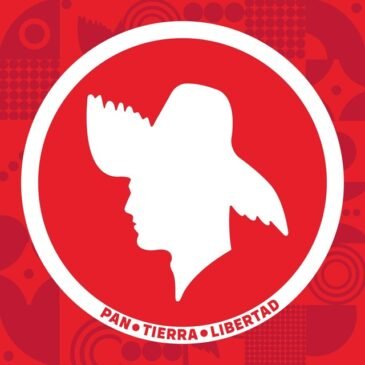
Puerto Rico’s political history is closely connected to the Partido Popular Democrático (PPD), or Popular Democratic Party, one of the island’s most influential political organizations. Founded during a period of economic hardship and social change, the PPD helped transform Puerto Rico’s agricultural economy, expand public services, and establish the political framework that continues to shape debates about the island’s future. Known for its traditional red color and its iconic jíbaro, the rural Puerto Rican farmer who symbolizes the island’s working-class heritage, the party has played a central role in Puerto Rico’s government for generations.
The Founding of the Partido Popular Democrático
The Partido Popular Democrático was founded on July 22, 1938, by Luis Muñoz Marín, a journalist, writer, and political leader who would become one of the most important figures in modern Puerto Rican history. The party emerged during a time when poverty, unemployment, and unequal land ownership created enormous challenges for Puerto Rican families.
In the early twentieth century, Puerto Rico’s economy depended heavily on agriculture, particularly sugar production. Many rural workers lived in difficult conditions, earning low wages while working on large plantations. Economic hardship intensified during the Great Depression, creating widespread demand for political and social reform.
Muñoz Marín and his supporters believed that government should address the needs of ordinary Puerto Ricans, especially farmers, laborers, and impoverished rural communities. The PPD developed a populist message centered on economic opportunity, social justice, and improved living conditions. Its founding slogan, Pan, Tierra y Libertad—Bread, Land, and Liberty—expressed its commitment to meeting the basic needs of the population.
The party initially advocated significant reforms to improve land distribution, strengthen workers’ rights, and reduce the economic inequalities that had long affected the island.
The Rise of Luis Muñoz Marín
Luis Muñoz Marín became the leading figure of the PPD and helped turn it into a dominant political force. In 1940, the party achieved a major electoral breakthrough, winning control of the Puerto Rican Senate and establishing a strong position in the island’s government.
Muñoz Marín became Puerto Rico’s first democratically elected governor in 1948, following legislation that allowed residents to elect their own governor. He took office in January 1949 and served until 1965.
Under his leadership, the PPD pursued an ambitious program of economic modernization known as Operation Bootstrap. This initiative encouraged industrial development, attracted investment, expanded manufacturing, and sought to move Puerto Rico away from its dependence on agriculture.
The administration also supported improvements in education, housing, public health, infrastructure, and social welfare. These changes contributed to substantial economic and social transformation, although the benefits were not distributed equally, and industrialization also brought challenges, including the displacement of agricultural workers and migration to the mainland United States.
Muñoz Marín’s leadership helped establish the PPD as a defining force in Puerto Rican political life for much of the twentieth century.
The PPD and Puerto Rico’s Political Status
One of the most important aspects of the Partido Popular Democrático is its position on Puerto Rico’s relationship with the United States.
In 1952, Puerto Rico adopted its own constitution and established the Commonwealth arrangement, known in Spanish as the Estado Libre Asociado. The new system provided the island with greater local self-government while retaining its territorial relationship with the United States.
The PPD strongly supported this arrangement, arguing that it offered a practical balance between local autonomy and continued ties to the United States. Under the Commonwealth system, Puerto Ricans gained greater control over their internal affairs, including the election of their governor and legislature.
However, Puerto Rico’s political status has remained controversial. Critics argue that Commonwealth status does not provide the full sovereignty of independence or the equal federal representation associated with statehood. Supporters of statehood favor Puerto Rico becoming the 51st U.S. state, while independence advocates seek a separate sovereign nation.
The PPD has traditionally defended the Commonwealth relationship, although its positions and internal discussions have evolved over time. Some party members have advocated a more developed or enhanced form of self-government, contributing to continuing debates about what Puerto Rico’s future political arrangement should look like.
The Party’s Symbol, Colors, and Identity
The PPD is traditionally associated with the color red and the image of a jíbaro wearing a pava, a traditional straw hat worn by Puerto Rican rural workers. The symbol reflects the party’s origins among farmers, laborers, and working-class families.
The jíbaro became a powerful representation of Puerto Rican identity, connecting the party to the island’s rural traditions, agricultural heritage, and cultural pride. The slogan Pan, Tierra y Libertad reinforced its original mission of improving the lives of ordinary citizens.
Although the party has changed considerably since its founding, its historical identity remains closely connected to social reform, Puerto Rican culture, and the promise of economic opportunity.
For decades, the PPD was one of the most powerful forces in Puerto Rican politics. However, its dominance gradually weakened as competing political movements gained support and voters became increasingly divided over economic policy, government performance, and the island’s political status.
The party has faced criticism over Puerto Rico’s continuing economic difficulties, public debt, population decline, and the limitations of Commonwealth status. Supporters emphasize its historic contributions to public education, infrastructure, workers’ rights, and local self-government, while critics question whether its traditional political model can adequately address the island’s contemporary challenges.
The PPD remains an important participant in elections and legislative debates. Its future depends partly on its ability to connect its historic commitment to social welfare with the concerns of younger generations, including affordable housing, employment opportunities, energy reliability, and the cost of living.
Puerto Rico’s political status remains central to the party’s identity. As voters continue to debate statehood, independence, and alternative arrangements, the PPD must explain how its vision of self-government can meet the aspirations of a changing population.
The Enduring Legacy of the Partido Popular Democrático
The Partido Popular Democrático occupies a distinctive place in Puerto Rico’s history. Founded in 1938 by Luis Muñoz Marín, it rose from a movement promising bread, land, and liberty to become the principal architect of a new era of economic development and constitutional self-government.
Its legacy is complex. The party helped modernize Puerto Rico and expand opportunities for many residents, yet the island continues to confront unresolved questions about economic equality, federal authority, and political identity.
More than eight decades after its founding, the PPD remains an important part of the island’s political landscape. Its history illustrates the close relationship between economic development, cultural identity, and the struggle for self-determination. Understanding the party provides valuable insight into how Puerto Rico became what it is today—and why debates about its future remain so consequential.