What to Expect From Toyota’s Popular Family SUV
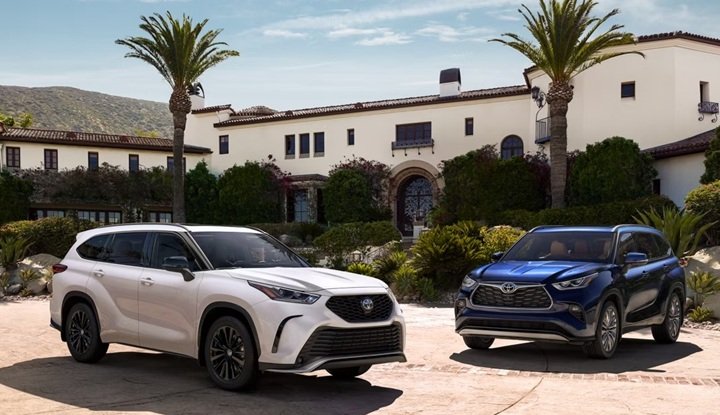
The Toyota Highlander has long been a favorite among families looking for a comfortable, reliable, and practical midsize SUV. Known for its smooth ride, flexible passenger space, and reputation for dependability, the Highlander has earned a strong following among drivers who need everyday convenience without sacrificing comfort. With the arrival of the 2027 Toyota Highlander on the horizon, shoppers will be interested in how Toyota plans to keep this popular SUV competitive in an increasingly crowded market.
For families comparing three-row SUVs, the Highlander offers an appealing combination of everyday usability, modern technology, and the potential for long-term ownership value. However, buyers should distinguish between confirmed specifications and expectations for the new model year. Until Toyota publishes complete 2027 model details, some equipment, pricing, performance figures, and design changes may remain unconfirmed.
Exterior Design and Styling
The Toyota Highlander has traditionally featured a modern exterior with a bold front grille, sculpted body panels, and a confident SUV stance. The design balances family-friendly practicality with a refined appearance that works equally well in suburban neighborhoods, city traffic, and on long highway trips.
For 2027, shoppers will want to look for updates to the front fascia, headlights, wheel designs, and rear styling. Even modest exterior revisions could help the Highlander maintain its appeal against competitors such as the Honda Pilot, Kia Telluride, Hyundai Santa Fe, and Ford Explorer.
The Highlander’s overall size also makes it a practical choice for families who want more room than a compact SUV provides without moving into a full-size vehicle. Its elevated driving position gives drivers a commanding view of the road, while the rear liftgate and wide cargo opening are useful features when loading groceries, sports equipment, luggage, or family travel essentials.
Engine Performance and Fuel Economy
Performance and efficiency are important considerations for any family SUV. Previous Highlander models have offered conventional gasoline and hybrid powertrains, giving buyers different options depending on their driving habits and fuel-saving priorities.
For the 2027 model, buyers should consult Toyota’s official specifications to confirm which engines and hybrid configurations will be available. Until those details are announced, specific horsepower ratings, acceleration figures, towing capacities, and fuel-economy estimates should not be treated as confirmed.
A gasoline-powered Highlander would appeal to drivers who prioritize familiar performance and straightforward operation, while a hybrid version could be attractive to families who spend considerable time commuting or driving in stop-and-go traffic. Hybrid technology can reduce fuel consumption in suitable driving conditions, although actual results depend on traffic, weather, terrain, and driving style.
Regardless of powertrain, a well-rounded Highlander should deliver predictable acceleration, comfortable highway cruising, and manageable handling. These qualities are especially important for families who regularly travel with several passengers and a full load of luggage.
Interior Comfort and Passenger Space
Interior practicality has always been central to the Highlander’s appeal. Its three-row layout provides seating for larger families, while the front and second rows are designed to accommodate everyday commuting, school runs, and longer road trips.
For 2027, buyers should pay particular attention to third-row legroom, seat comfort, and ease of access. These details can make a substantial difference for families who regularly transport older children or additional passengers. As with many midsize three-row SUVs, the rearmost seats may be better suited to children or shorter trips, depending on passenger size.
Cargo capacity is another important consideration. With all three rows in use, luggage space can be limited compared with larger SUVs. Folding the rear seats creates additional room for shopping, camping supplies, strollers, and other bulky items. Prospective buyers should test the seating and cargo arrangement in person to make sure it meets their needs.
Toyota will also need to provide a comfortable cabin with durable materials, convenient storage compartments, and thoughtful controls. These practical details often matter more to families than decorative touches alone.
Technology and Safety Features
Modern SUV buyers expect convenient connectivity and driver-assistance technology, and the Highlander has generally offered a range of features designed to make driving easier and more secure.
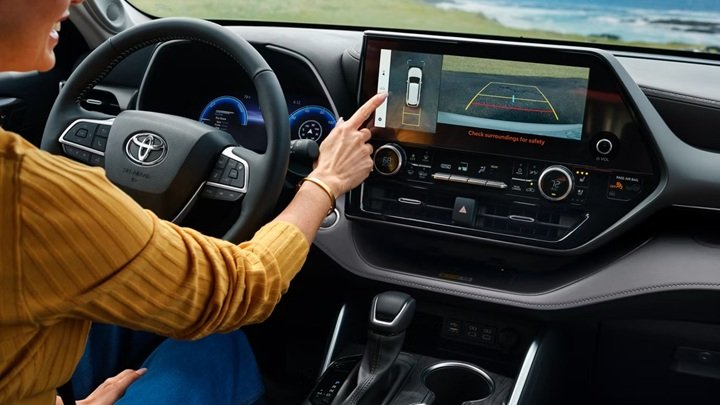
Depending on the final 2027 equipment lineup, shoppers should look for a touchscreen infotainment system, smartphone integration, USB charging ports, available wireless charging, and a digital driver display. The availability and size of these features will depend on the trim level and Toyota’s confirmed specifications.
Safety is another major consideration. Toyota has equipped recent vehicles with Toyota Safety Sense technologies, which can include features such as pre-collision assistance, lane-departure alerts, adaptive cruise control, and automatic high beams. The exact features and capabilities offered on the 2027 Highlander should be verified against Toyota’s official equipment list.
Families should also check for available blind-spot monitoring, rear cross-traffic alerts, parking assistance, and a surround-view camera system where offered. These technologies can help drivers manage the challenges of maneuvering a larger SUV, although they do not replace careful driving.
Expected Pricing and Trim Levels
The final price of the 2027 Toyota Highlander will depend on its trim levels, powertrain, optional equipment, and any changes Toyota introduces for the new model year. Buyers should also account for destination charges, dealer-installed accessories, taxes, and registration fees when comparing offers.
Toyota’s traditional trim strategy has provided shoppers with a choice between value-oriented models and better-equipped versions featuring additional comfort, technology, and convenience features. Whether the 2027 lineup follows the same structure should be confirmed when official ordering information becomes available.
For the best value, compare the standard equipment included in each trim rather than focusing exclusively on the starting price. A model with the right safety features, seating configuration, and connectivity options may be a better long-term purchase than a less expensive version that requires several upgrades.
Final Verdict
The 2027 Toyota Highlander has the potential to remain a compelling option for families seeking a versatile three-row SUV. Its established strengths include everyday practicality, a comfortable driving experience, and Toyota’s reputation for building vehicles intended for long-term ownership.
The biggest factors to evaluate will be the confirmed powertrain choices, real-world fuel economy, passenger and cargo space, updated technology, and final pricing. Buyers should also compare the Highlander with newer competitors before making a decision.
Overall, the 2027 Toyota Highlander is worth watching for families who value practicality and efficiency in a midsize SUV. However, a final buying recommendation should wait until Toyota releases the complete specifications, pricing, and equipment details for the 2027 model year.