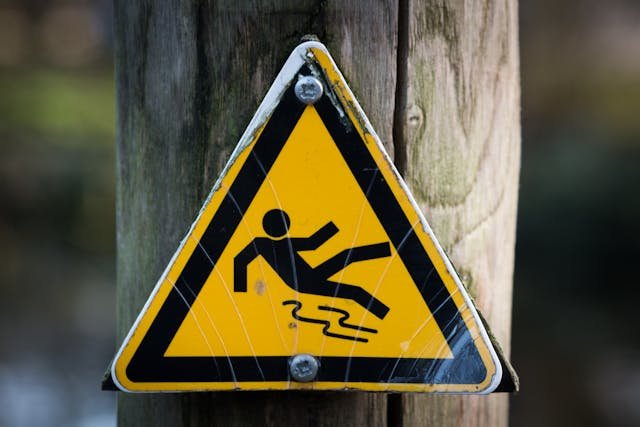
Slip accidents are among the most common causes of injury in homes, workplaces, and public spaces. A smooth tile floor, a recently mopped surface, or even a small patch of moisture can quickly turn an ordinary walkway into a potential hazard.
For property owners, preventing slip accidents is not just about avoiding inconvenience. It is also about protecting the safety of visitors, employees, and residents. Many owners focus on obvious hazards such as spills or clutter, but the underlying safety of the floor itself is often overlooked. One method used to evaluate surface safety is floor slip testing, which measures how much grip a surface provides under different conditions.
Understanding the factors that contribute to slip risks can help property owners take practical steps to create safer environments and reduce the likelihood of accidents.
Why Slips Happen More Often Than Expected
Most slip accidents occur when the friction between a person’s footwear and the floor is reduced. When friction drops too low, the foot can slide unexpectedly instead of gripping the surface.
Several conditions can reduce friction, including:
- Wet or oily surfaces
- Smooth flooring materials
- Dust or debris on the floor
- Worn floor coatings
- Improper cleaning methods
Many surfaces appear safe when dry but become extremely slippery when moisture is present. This is why slip accidents often occur near entrances, kitchens, bathrooms, and outdoor walkways.
Flooring Materials Play a Major Role
Not all flooring materials provide the same level of traction.
Some materials are naturally more slip-resistant, while others prioritise appearance or ease of cleaning over grip. Highly polished surfaces, for example, may look attractive but can become hazardous when wet.
Common flooring types that may require extra attention include:
- Polished stone or marble
- Glossy ceramic tiles
- Smooth concrete finishes
- Vinyl or laminate flooring
Property owners should consider both aesthetics and safety when selecting flooring materials, especially in areas with heavy foot traffic.
In some situations, applying slip-resistant coatings or textured finishes can improve traction without replacing the entire floor.
Environmental Factors That Increase Slip Risk
Floor conditions can change quickly depending on the surrounding environment.
Weather, temperature, and building use can all affect how safe a surface is at any given moment.
For example:
- Rainwater tracked inside entrances can create slippery spots
- Condensation may form on cold floors
- Food or liquids may spill in kitchens or dining areas
- Cleaning solutions may temporarily reduce friction
Understanding how these environmental factors interact with flooring surfaces helps property owners anticipate potential hazards.
Simple precautions such as entrance mats or improved drainage can significantly reduce risks.
The Importance of Proper Cleaning Practices
Cleaning plays a major role in floor safety. However, incorrect cleaning methods can unintentionally increase slip risks.
Some cleaning products leave residues that reduce traction, especially on smooth surfaces. Over time, these residues can build up and make floors progressively more slippery.
To maintain safe floor conditions, property owners should consider:
- Using cleaning products designed for specific floor types
- Avoiding excessive polish or wax buildup
- Ensuring floors are properly rinsed after cleaning
- Allowing surfaces to dry fully before allowing foot traffic
Regular cleaning remains essential, but it must be performed with attention to safety as well as appearance.
Maintenance and Wear Over Time
Even flooring materials that were originally safe can become hazardous as they age.
Repeated foot traffic, cleaning chemicals, and environmental exposure can gradually change the surface texture of a floor. Smooth surfaces may become more polished over time, reducing their natural grip.
Regular maintenance inspections can help identify early warning signs such as:
- Worn floor coatings
- Polished or smooth patches in high-traffic areas
- Cracked or uneven surfaces
- Loose tiles or flooring sections
Addressing these issues early helps maintain consistent traction across the entire surface.
Areas That Require Extra Attention
Certain parts of a property naturally present higher slip risks.
These areas should receive additional monitoring and preventive measures:
- Building entrances and lobbies
- Stairways and ramps
- Kitchens and food preparation areas
- Bathrooms and locker rooms
- Outdoor walkways exposed to rain
In these locations, even minor changes in floor conditions can increase the likelihood of accidents.
Preventive measures such as non-slip mats, textured flooring, or improved drainage can make a significant difference.
Building a Preventive Safety Strategy
Reducing slip risks involves more than responding to individual incidents. A proactive safety approach helps identify potential hazards before accidents occur.
Property owners can improve safety by implementing several practical steps:
- Conduct regular floor inspections
- Train staff to identify slip hazards quickly
- Place warning signs during cleaning or wet conditions
- Maintain entrance mats during rainy weather
- Schedule periodic professional floor evaluations
These steps help create a consistent approach to floor safety throughout the property.
A Safer Environment Benefits Everyone
Slip accidents often happen quickly and unexpectedly, but many of them are preventable. Small changes in flooring maintenance, cleaning practices, and environmental management can greatly reduce the risk of injury.
For property owners, maintaining safe floor conditions is both a responsibility and an investment in long-term safety. By understanding how flooring materials, environmental factors, and maintenance practices affect traction, owners can create environments where visitors and occupants can move confidently and safely.
Preventing slip hazards does not require dramatic changes. Often, it simply involves paying attention to the surfaces people walk on every day and ensuring those surfaces provide the grip and stability they should.