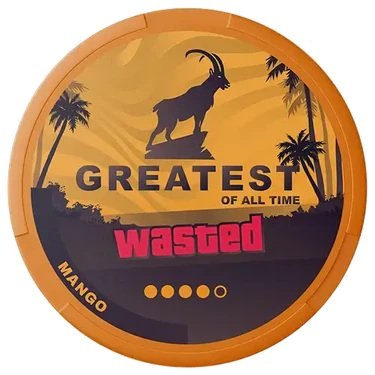
Walk into a corner shop in a Boricua neighborhood, whether in San Juan, Orlando, or the Bronx, and one pattern keeps showing up on the counter displays. Certain nicotine pouches sell out well before the weekend rush. Among them, the Greatest pouches line has become a quiet bestseller, and the reasons are surprisingly easy to see once the numbers are laid out.
Sales momentum in clear figures
Retailers who started stocking the full Greatest pouches range in early 2023 report some eye‑catching numbers. Convenience stores in mixed Latino neighborhoods often see sell‑through rates of 85–90 percent per week, compared with 55–65 percent for more established pouch brands. In practical terms, that means a display of 10 sleeves can be gone in five days instead of ten.
In small family‑run shops that serve a steady flow of Puerto Rican regulars, owners describe a pattern that any experienced retailer recognizes. First, customers “test” the brand, buying one or two tins per visit for a couple of weeks. Within a month, the average purchase often jumps to three tins per transaction. When an item evolves from impulse buy to planned purchase that quickly, it usually signals that the product has found a stable place in people’s routines.
Repeat buyers and everyday routines
Looking closer at basket data from shop owners who track basic sales, roughly seven out of ten Greatest buyers come back for the same product code within four weeks. That 70 percent repeat‑purchase rate sits well above the 45–50 percent many stores report for their overall pouch category.
Frequency matters, too. Regular users typically buy between six and eight tins per month, enough to make the brand a predictable line on the household budget rather than an occasional treat. For retailers, that stability has a direct impact on shelf decisions. Products with high repeat rates earn permanent space near the register, where foot traffic is highest and reorders are easiest to monitor during busy periods such as festival weekends or paydays.
Value per tin and perceived quality
Another reason these tins move so quickly is the perceived “value per pouch.” Across a mix of U.S. and island shops serving Boricua communities, average pricing often lands about 10–15 percent below some premium competitors, while offering similar pouch counts and strengths. When shoppers calculate price per pouch, that difference can feel like getting an extra tin for every seven or eight they buy.
The Gigasnus shopfront reflects that same balance of choice and value. Shoppers comparing strengths, flavors, and multipack options across brands can have a look here and quickly see how Greatest positions itself on price and variety. Retailers notice that customers who have already done this homework online tend to walk in asking for the brand by name, which shortens the “convincing” phase and speeds up adoption at the counter.
What the trend means for Boricua retailers
For shop owners and kiosk operators catering to Puerto Rican communities, the story behind these numbers is straightforward. A product line that turns fast, keeps buyers coming back, and feels like solid value per tin is going to earn its place on the shelf. Greatest pouches currently tick all three boxes, which helps explain why displays keep needing to be refilled long before the month is over.
As with any strong seller in a tight retail space, the lesson is less about chasing hype and more about watching the basics: how quickly stock moves, how often the same customers return, and how well the price lines up with what people want to spend. In that sense, the success of this brand highlights how closely today’s Boricua shoppers pay attention to both their wallets and their everyday habits.