Air conditioning is not a seasonal comfort in Dubai, it is a year-round necessity, and as summers continue to grow longer and more intense, that dependence is only set to increase. With outdoor temperatures regularly climbing above 45°C and humidity levels adding further strain, an AC unit in Dubai works harder, for longer stretches, than almost anywhere else in the world. Yet many homeowners still follow servicing habits suited to milder climates, waiting until a unit breaks down before calling a technician, a reactive approach that becomes increasingly costly as units age and energy prices rise.
Looking ahead, the households that get the most value from their air conditioning systems will be the ones that treat servicing as a planned, recurring part of home maintenance rather than an emergency response. A clear servicing schedule not only keeps a unit running efficiently through the peak summer months but also protects against the kind of gradual wear that leads to expensive compressor failures years down the line. Understanding exactly how often an AC needs attention in Dubai’s climate and why that frequency differs from cooler regions is the first step toward a home that stays comfortable, efficient, and breakdown-free for years to come.
Why Dubai’s Climate Puts Extra Strain on ACs
Dubai doesn’t ease up on air conditioners and the pressure is only building. Extreme heat pushes compressors to run near-maximum for most of the day, while coastal humidity adds a moisture load most units were never designed for. Fine desert dust clogs filters and coils fast, choking airflow and forcing the system to work overtime just to keep pace.
Add to that near year-round operation ten to twelve months a year in most Dubai homes and components wear out on a fraction of the timeline seen in milder climates. As temperatures keep climbing, the gap between generic servicing advice and what Dubai homes actually need keeps growing. A climate adjusted schedule isn’t nice to have anymore, it’s the baseline.
Recommended AC Servicing Frequency
For most Dubai homes, a split AC unit should have its filters checked and cleaned every 4 to 6 weeks during peak summer months, with a full professional service every 3 to 4 months. This keeps airflow strong and prevents the gradual efficiency loss that quietly drives up electricity bills.
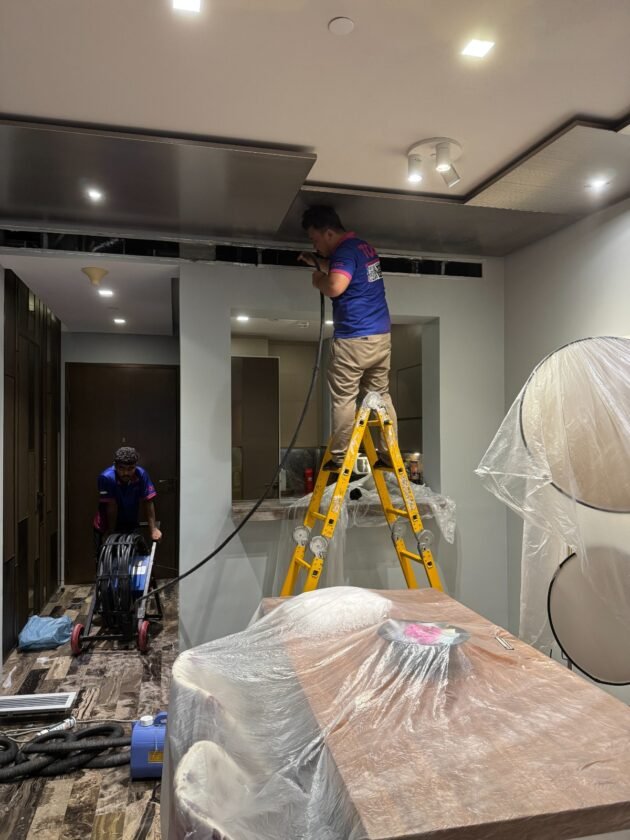
Central and ducted systems, which cool larger areas and run for longer stretches, typically need a full inspection and service every 3 months, alongside an annual deep service covering refrigerant levels, ductwork, and compressor health.
Usage patterns matter too. Villas with multiple units running simultaneously, or apartments with units facing direct sun exposure, tend to need servicing on the shorter end of these windows. As a general rule of thumb:
- Split AC units: Filter clean every 4-6 weeks; full service every 3-4 months
- Central/ducted systems: Inspection every 3 months; deep service annually
- High-usage villas or west-facing units: Lean toward the shorter end of each interval
Signs Your AC Needs Servicing Sooner
Even with a set schedule, certain warning signs mean an AC needs attention ahead of its next planned service:
- Weak or reduced airflow from vents, even at full fan speed
- Warm air blowing instead of cool, especially during peak afternoon hours
- Unusual noises rattling, grinding, or clicking sounds from the indoor or outdoor unit
- Water leakage around the indoor unit or ceiling stains near AC vents
- Rising DEWA bills with no change in usage habits, often a sign of a unit working harder than it should
- Musty or unpleasant odors when the AC first switches on, pointing to mold or blocked drainage
Catching these signs early prevents a minor fix from turning into a major repair or a full breakdown during the hottest part of the year.
What Happens If You Delay AC Servicing
Delaying AC servicing rarely saves money; it just shifts the cost further down the line, usually with interest. A unit running on dirty filters or low refrigerant has to work harder to hit the same temperature, and that extra strain shows up directly on the DEWA bill month after month.
Left unchecked, the damage compounds. A struggling compressor overheats and wears down faster, turning what could have been an AED 150 filter clean into a compressor replacement costing several times more. In the worst cases, a neglected unit fails entirely during peak summer, typically the least convenient and most expensive time to need emergency repairs. What starts as a small, avoidable issue often ends up being the most expensive appliance failure a Dubai household faces each year.
Benefits of Professional AC Maintenance
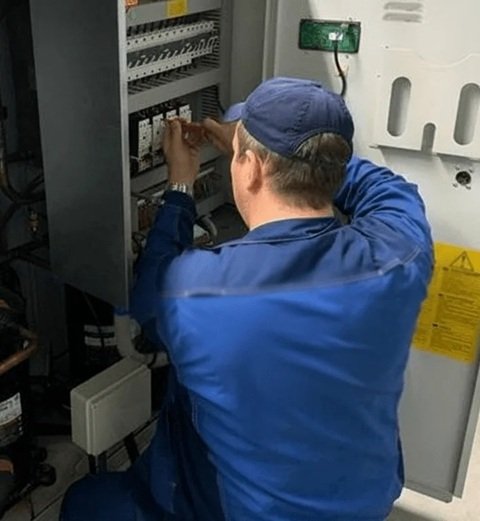
DIY filter cleaning helps between services, but it cannot replace a proper professional inspection. Trained technicians check refrigerant levels, test electrical components, inspect drainage lines, and catch early signs of wear that are invisible without the right tools — issues that, left alone, eventually turn into full breakdowns.
Working with a certified provider for AC repair in Dubai also means genuine parts, accurate diagnosis, and a clear explanation of costs before any work begins rather than guesswork or temporary fixes that resurface a few months later. For Dubai households looking ahead, building a relationship with a reliable AC service provider pays off season after season: fewer emergency callouts, lower long-term repair costs, and a system that keeps performing as the summers keep getting hotter.
Final Thoughts
AC servicing in Dubai isn’t a once-a-year afterthought, it’s an ongoing commitment that pays off in comfort, lower bills, and fewer surprises as the climate keeps intensifying. Split units generally call for a full service every 3 to 4 months, central systems every 3 months with an annual deep service, and any warning signs weak airflow, rising bills, unusual noise deserve immediate attention rather than a wait-and-see approach.
Looking ahead, the households that build AC maintenance into their routine, rather than reacting to breakdowns, will be the ones spending less, staying cooler, and getting more years out of every unit they own.
Frequently Asked Questions
How much does AC servicing cost in Dubai?
Basic servicing typically starts from around AED 100-150 for filter cleaning and inspection, while a full service including coil cleaning and refrigerant checks generally ranges from AED 200-400, depending on the unit type and provider.
Can I service my AC myself?
Homeowners can safely handle basic tasks like rinsing filters and clearing visible dust from vents. However, refrigerant checks, electrical inspections, and deep coil cleaning require a trained technician, since improper handling can damage the unit or void warranties.
How long does a professional AC service take?
A standard service for a single split unit usually takes 30-45 minutes, while central or ducted systems can take 1-2 hours depending on the size and condition of the system.
Does regular servicing actually lower electricity bills?
Yes. Dirty or clogged AC filters can restrict airflow, making the cooling system work harder and consume more energy, and DEWA recommends cleaning filters regularly to maintain efficiency and cooling performance.
How long does an AC unit typically last in Dubai’s climate?
With regular servicing, most units last 8-10 years before efficiency drops significantly and replacement becomes more cost-effective than continued repair.
Is it worth signing an annual maintenance contract (AMC) instead of one-off services?
For most Dubai households, yes an AMC locks in scheduled visits before peak summer, avoids the scramble to book emergency repairs during the hottest months, and often works out cheaper than paying for each service separately.