History Political Ideology and Its Role in Puerto Rico
The Partido Nuevo Progresista (PNP), or New Progressive Party, is one of the two major political parties in Puerto Rico. Founded in 1967, the PNP has played a significant role in shaping the island’s political, economic, and social development. Its central political objective is achieving statehood for Puerto Rico, making the island the 51st state of the United States. Throughout its history, the party has advocated for equal rights and representation for Puerto Ricans as American citizens while promoting economic development and stronger integration with the United States.
The PNP has competed with the Partido Popular Democrático (PPD), which traditionally supports maintaining Puerto Rico’s commonwealth relationship with the United States, although the political status debate has evolved over the years. Together, these parties have shaped much of Puerto Rico’s modern political landscape.
The Founding of the Partido Nuevo Progresista
 The Partido Nuevo Progresista was established in 1967 following disagreements within Puerto Rico’s pro-statehood political movement. The party emerged as a successor to the Partido Estadista Republicano, which had advocated for Puerto Rico to become a U.S. state.
One of the central figures behind the creation of the PNP was Luis A. Ferré, a businessman, industrialist, and political leader from Ponce. Ferré believed that statehood offered Puerto Rico a path toward greater political equality, economic opportunities, and full participation in the American democratic system.
The party quickly gained support among voters who believed Puerto Rico should become part of the United States rather than continue under its existing territorial status. Its founding marked an important turning point in the island’s political history, creating a major political organization dedicated specifically to the statehood movement.
Luis A. Ferré and the First PNP Administration
In 1968, just one year after its founding, the PNP achieved a major electoral victory. Luis A. Ferré was elected governor of Puerto Rico, defeating incumbent Governor Roberto Sánchez Vilella.
Ferré served as governor from 1969 until 1973. His administration emphasized economic development, industrial expansion, education, and strengthening Puerto Rico’s relationship with the United States. He also promoted the idea that statehood would provide Puerto Ricans with equal political rights and opportunities.
Although Puerto Rico did not achieve statehood during his administration, Ferré established the PNP as a major political force. His leadership helped create the foundation for the party’s continued participation in island elections and the ongoing debate over Puerto Rico’s political future.
Political Ideology and Main Objectives
The PNP’s defining political position is its support for Puerto Rico becoming the 51st state of the United States. Party members generally argue that statehood would provide Puerto Rico with full representation in Congress, including voting members of the House of Representatives and two U.S. senators, as well as participation in presidential elections.
The party also emphasizes economic development, infrastructure improvements, education, public safety, and attracting investment to Puerto Rico. Its supporters frequently argue that statehood would provide greater access to federal resources and create a more stable environment for businesses and residents.
However, the party’s membership includes a range of political viewpoints on issues beyond status. Members and elected officials may differ on taxation, government spending, social policies, economic regulation, and other matters. Like other major political organizations, the PNP is not defined by a single position on every public policy issue.
Governors and Political Leadership
Over the decades, the PNP has produced several governors who have influenced Puerto Rico’s government and political direction.
Following Luis A. Ferré, Carlos Romero Barceló served as governor from 1977 to 1985. His administration continued promoting statehood and focused on economic development and public infrastructure.
Pedro Rosselló served two terms, from 1993 to 2001. His administration pursued privatization initiatives, infrastructure projects, and changes to government services. His political leadership also helped keep the statehood issue prominent in public discussions.
Luis Fortuño served from 2009 to 2013, emphasizing government restructuring, economic reform, and efforts to address Puerto Rico’s financial challenges.
Ricardo Rosselló served from 2017 to 2019, when he resigned following widespread public protests. His administration was also associated with the implementation of fiscal oversight measures during Puerto Rico’s debt crisis.
Pedro Pierluisi, another PNP leader, served as governor from 2021 through 2024. The party has continued to participate actively in elections and discussions concerning the island’s political status.
The Political Status Debate
The question of Puerto Rico’s political status remains the central issue separating the PNP from several other political organizations on the island. Puerto Rico has been a U.S. territory since 1898 and has maintained its current commonwealth government structure since 1952. However, residents do not have the same voting representation in the federal government as residents of the 50 states.
The PNP argues that statehood would resolve this political inequality by granting Puerto Ricans full representation in Congress and the right to vote for president while residing on the island.
Over the years, several nonbinding status plebiscites have been held to measure public opinion. In the November 2024 referendum, statehood received 58.61% of the votes cast among the three status options presented. Independence with free association received 29.57%, while independence received 11.82%.
Although these results reflected support for statehood among voters participating in that referendum, a change in Puerto Rico’s political status requires action by the United States Congress. The issue therefore remains an important part of Puerto Rico’s political future.
The PNP in Modern Puerto Rican Politics
In the November 2024 general election, Jenniffer González-Colón won the governorship, defeating candidates from several competing political parties. González previously served as Puerto Rico’s Resident Commissioner in Washington, D.C., where she represented the island in the U.S. House of Representatives.
Her victory continued the PNP’s presence in the island’s government and placed statehood discussions once again at the center of the political agenda. González became governor in January 2025, succeeding fellow PNP member Pedro Pierluisi.
The party continues to address issues that affect everyday life in Puerto Rico, including the island’s electrical infrastructure, healthcare, education, employment, public safety, economic development, and government finances. These concerns are shared across political parties, although the PNP presents its own proposals and approaches to addressing them.
The PNP’s Symbol and Political Identity
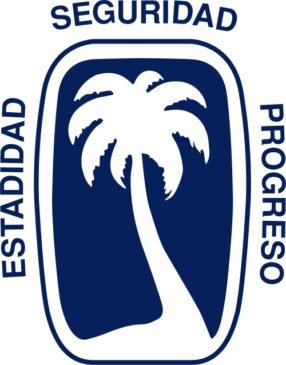
The Partido Nuevo Progresista is commonly identified by the palm tree symbol, which appears on its traditional political insignia and campaign materials. The party’s identity is closely associated with its statehood position and the belief that Puerto Rico should have the same political standing as other states within the United States.
The PNP also maintains connections with both major political parties in the United States. Some of its members identify with the Republican Party, while others align with the Democratic Party. This reflects the diversity of political viewpoints within the PNP and the fact that Puerto Rico’s political parties are organized primarily around the island’s political status rather than the traditional two-party system found on the mainland.
The Continuing Influence of the Partido Nuevo Progresista
Since its founding in 1967, the Partido Nuevo Progresista has remained a central participant in Puerto Rico’s political life. It has produced numerous governors, legislators, mayors, and other public officials while keeping the question of statehood prominent in local and national political discussions.
Like other political parties, the PNP has experienced electoral victories, defeats, internal disagreements, and public criticism. Its administrations have faced challenges involving government finances, infrastructure, public services, and political accountability.
Today, the party continues to represent Puerto Ricans who support statehood while participating in debates over the island’s economic and social future. Whether Puerto Rico eventually becomes a U.S. state, pursues another political arrangement, or maintains its current territorial relationship remains a decision involving Puerto Rico’s residents and the federal government.
Understanding the Partido Nuevo Progresista is essential to understanding modern Puerto Rican politics. Its history, leadership, and commitment to statehood have helped shape more than five decades of political debate on the island, making it one of the most influential organizations in Puerto Rico’s continuing search for its political future.